

























Forget Ray Tracing, Indie Games Are Now Proudly “AI-Free”
In a landscape increasingly saturated with AI-generated content, a new badge of honor is emerging in the indie game development scene: “AI-Free.” While AAA studios grapple with the ethical and artistic implications of incorporating AI tools, a growing number of independent developers are leaning into the traditional, human-crafted nature of their games as a unique selling point.
This isn’t just about avoiding the potential pitfalls of AI, like copyright infringement or homogenization of art styles. It’s about celebrating the human touch, the passion, and the unique imperfections that come with handcrafted creations.
“For me, it’s about authenticity,” says Sarah, a solo developer working on a pixel-art RPG. “I want players to know that every sprite, every line of dialogue, every musical note was born from my own creativity and effort. AI tools might speed things up, but they also strip away the soul.”
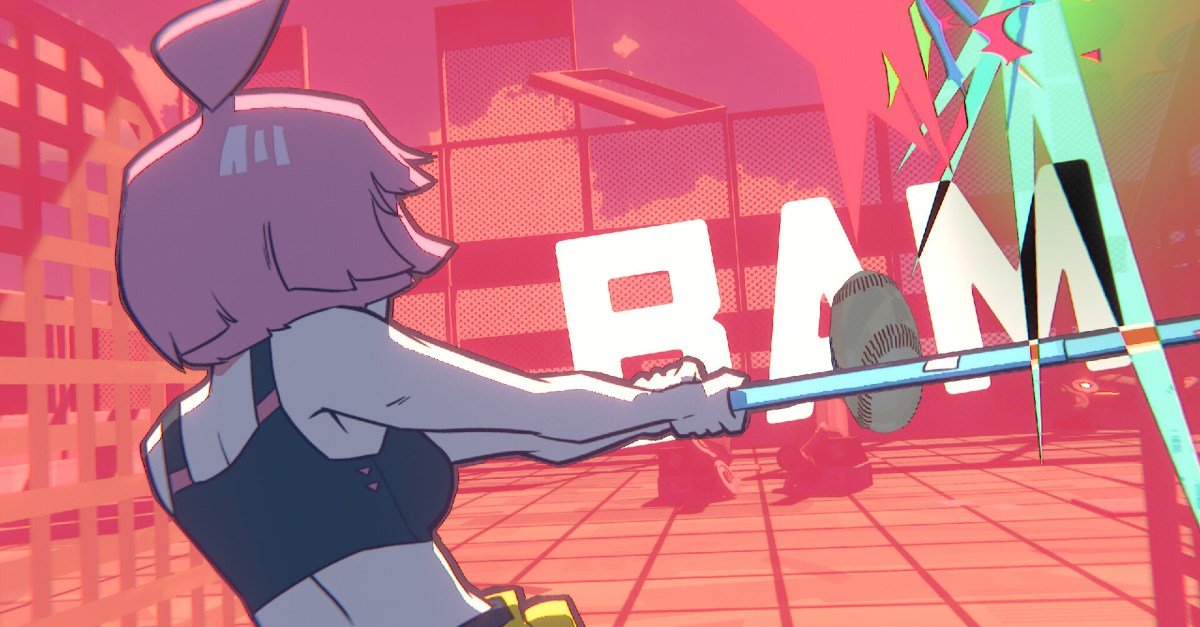
The sentiment is echoed across the indie community. Developers are proudly highlighting their hand-drawn art, meticulously crafted level design, and original compositions, emphasizing the human effort that went into every aspect of their games. This “AI-Free” stance is often displayed prominently on their Steam pages, in trailers, and in marketing materials, becoming a key part of their brand identity.
Why the Pushback?
The growing skepticism towards AI in game development stems from several concerns:
- Ethical Concerns: The use of AI trained on copyrighted material raises serious legal and ethical questions. Many developers are wary of contributing to a system that potentially exploits artists and undermines their livelihoods.
- Artistic Integrity: While AI can generate visually appealing content, it often lacks the artistic vision and unique flair that comes from a human artist. Many developers fear that relying on AI will lead to a homogenization of styles and a loss of originality.
- Job Security: The potential for AI to automate tasks traditionally performed by artists, designers, and programmers is a significant concern for those working in the industry.
- Player Preference: Some players are becoming increasingly discerning, actively seeking out games created by humans. They appreciate the imperfections, the personal touch, and the knowledge that their purchase is directly supporting a human artist.
More Than Just a Label: A Commitment to Craft
For many indie developers, the “AI-Free” label isn’t just a marketing ploy. It represents a deeper commitment to their craft and a desire to connect with players on a more personal level.
“It’s about transparency,” explains Mark, a developer working on a narrative-driven adventure game. “We want players to know exactly where their money is going and what they’re supporting. By being upfront about our development process, we hope to build trust and foster a stronger connection with our audience.”
This transparency often extends beyond simply stating “AI-Free.” Developers are increasingly sharing behind-the-scenes glimpses into their creative process, showcasing their tools, techniques, and the challenges they face. This level of openness allows players to appreciate the effort and dedication that goes into creating an indie game, further solidifying the value proposition of a human-crafted experience.
The Future of “AI-Free” Games
While the use of AI in game development will undoubtedly continue to evolve, the “AI-Free” movement is likely to gain momentum, particularly within the indie scene. It provides a powerful differentiator in a crowded market and appeals to players who value authenticity, originality, and the human touch.
Ultimately, the success of “AI-Free” games will depend on their quality and the ability of developers to effectively communicate their values to players. By focusing on creating compelling and engaging experiences that showcase the unique strengths of human creativity, indie developers can carve out a distinct niche and build a loyal following.
In a world increasingly dominated by algorithms, the promise of a handcrafted, human-made game is becoming a powerful and appealing sales pitch. The future of indie games may very well be “AI-Free,” and that’s something to celebrate.