






















Inside the High Drama of the iPhone 4: A Technological Revolution
When Apple released the iPhone 4 in June 2010, it marked a defining moment not only for the company but also for the smartphone industry as a whole. This article delves into the high drama surrounding the iPhone 4’s launch—an event characterized by intense anticipation, groundbreaking technological advancements, and a series of unexpected controversies that captivated the world.
The Build-Up to Launch
The iPhone 4 was shrouded in speculation long before its official unveiling. Even though Apple’s previous models had established the company as a leader in mobile technology, insiders hinted that the iPhone 4 would introduce innovations that could potentially reshape the smartphone landscape. Rumors regarding its design, performance enhancements, and new features created a buzz that was palpable within tech circles and everyday consumer discussions alike.
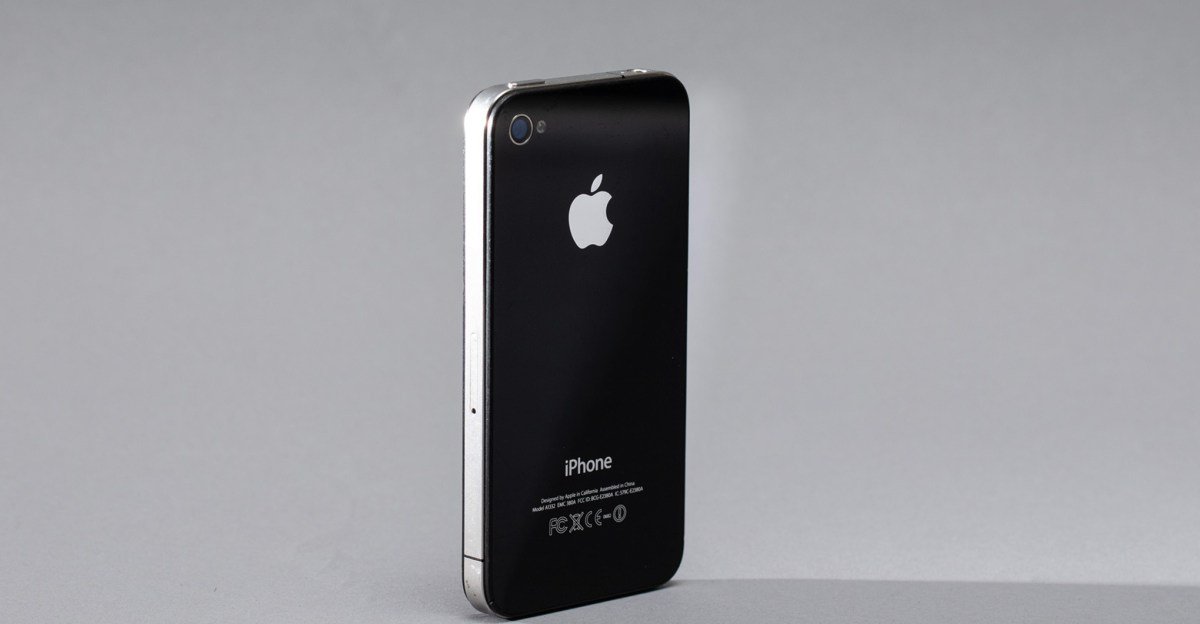
The device was officially unveiled by then-CEO Steve Jobs at the annual Worldwide Developers Conference (WWDC) on June 7, 2010. The reveal was dramatic: Jobs presented the phone as a culmination of four years of research and development, boasting a sleek, glass-and-metal design that was a significant departure from its predecessors. The device featured a high-resolution Retina Display, front and rear cameras, video calling through FaceTime, and a host of other improvements that promised a significant leap forward.
Design and Technical Innovations
The iPhone 4’s design was lauded for its sleek aesthetics, featuring a glass front and back with a stainless-steel band wrapped around its edges. Its Retina Display boasted a pixel density of 326 pixels per inch, making text and images incredibly sharp and clear. This feature, in particular, was seen as a game-changer, prompting competitors to rethink their display technologies.
Additionally, the introduction of multitasking capabilities and improved battery life further set the iPhone 4 apart from its rivals. The device was powered by Apple’s A4 chip, which enhanced overall performance while maintaining efficient energy consumption, a crucial factor for smartphone users.
The Controversies Unfold
However, the high drama surrounding the iPhone 4 didn’t stop at its technological marvels. The weeks following its launch were tumultuous as issues and controversies began to surface. One of the most notable was the infamous “Antennagate” scandal, which broke shortly after the phone hit shelves. Users reported that gripping the bottom-left corner of the device often led to signal loss, raising questions about the phone’s antenna design.
In response, Apple held a press conference to address the issue. Jobs famously downplayed the significance of the problem, stating that all smartphones had reception issues if held a certain way. Yet, the scrutiny intensified, leading Apple to offer free bumpers to affected customers and releasing software updates that attempted to rectify the issue. The “Antennagate” situation placed Apple in an unfamiliar position, forcing the company to address a design flaw in a device that had garnered a cult-like following.
Market Impact and Legacy
Despite the controversies, the iPhone 4 was a massive commercial success. It sold over 1.7 million units in just three days post-launch, setting records for Apple. The device’s popularity helped solidify Apple’s dominance in the smartphone market, inspiring competitors to prioritize design and user experience to keep pace with the innovative benchmark that the iPhone had set.
Moreover, the iPhone 4’s contributions went beyond mere sales figures; it helped catalyze a broader conversation around mobile technology, setting the stage for future advancements in smartphones. Features such as FaceTime became integral to how users interacted and communicated, influencing the direction of mobile apps and connectivity in the years that followed.
Conclusion
The iPhone 4 was not just another smartphone; it was a product that encapsulated a moment in history when technology began to redefine human interaction. The drama surrounding its launch—from the anticipation of its features to the controversies that erupted after its debut—reflects the challenges and triumphs that can accompany innovation. Ultimately, the legacy of the iPhone 4 endures, reminding us of the potential for technology to inspire excitement, debate, and a profound shift in the way we live our lives.