

























The Leadership Styles of Tim Cook and Sundar Pichai Revisited: A Discussion on Courage in Tech
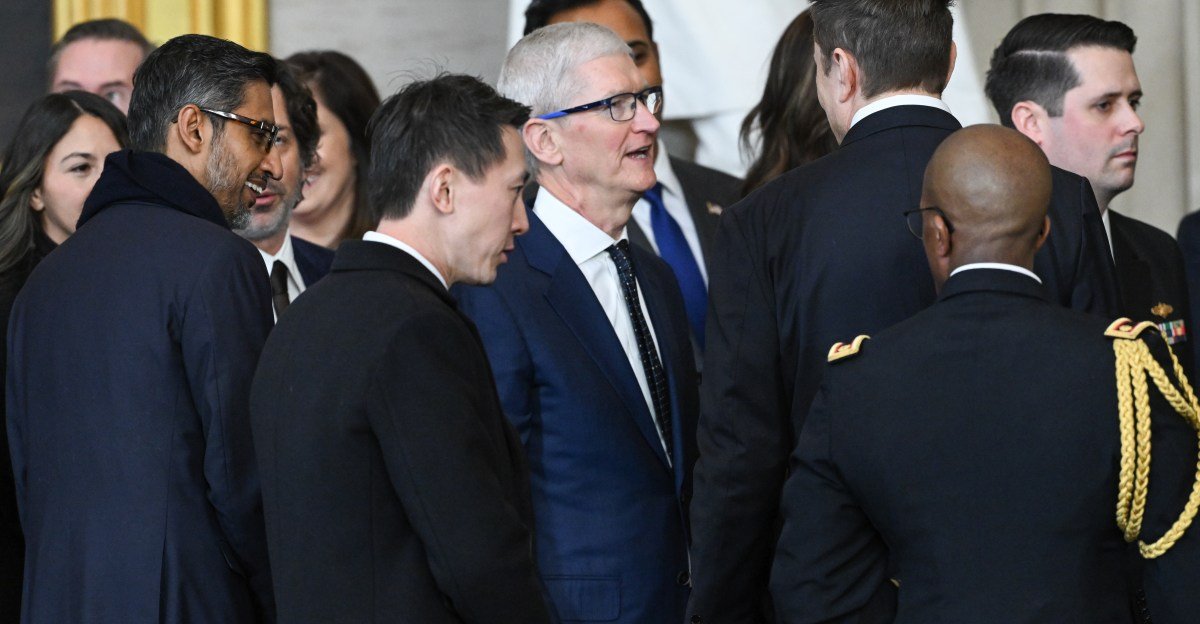
In the fast-paced world of technology, the leaders of major corporations are often scrutinized not just for their business acumen but for their moral courage and willingness to take bold stances on pressing issues. Tim Cook, CEO of Apple, and Sundar Pichai, CEO of Google and Alphabet, are two figures at the forefront of the tech industry. While both have made significant contributions to technology and advocated for various causes, some critics have labeled them as “cowards” for their perceived reluctance to take aggressive or controversial stances on certain issues. This article aims to unpack these assertions and explore the complexities of leadership in today’s digital landscape.
Corporate Responsibility and Ethical Dilemmas
Cook and Pichai operate in an era where corporate responsibility extends beyond profit margins to encompass social, ethical, and environmental concerns. A growing number of consumers expect companies to take clear stands on issues like privacy rights, climate change, racial equality, and labor practices. When criticism arises, leaders often face a difficult balancing act between shareholder interests and social responsibility.
Critics argue that Cook and Pichai have sometimes played it safe, opting for diplomatic language and initiatives that, while often well-intentioned, lack the boldness seen in other leaders. For instance, while both have made strides in promoting diversity within their companies and addressing environmental sustainability, some feel their actions don’t match their rhetoric.
Tim Cook: A Cautious Approach
Tim Cook is often praised for navigating Apple through tumultuous waters, particularly when it comes to privacy. Under his leadership, Apple has positioned itself as a defender of user privacy in an age when data breaches are rampant. However, critics argue that Cook has shied away from confronting contentious issues directly, especially those involving labor practices in Apple’s global supply chain.
While Cook has advocated for increased minimum wages and ethical labor practices in the U.S., detractors question whether he is doing enough to address the working conditions of those in the factories that produce Apple products abroad. Is it cowardice to avoid a confrontational stance with partners who might threaten profit margins?
Sundar Pichai: Innovation with Caution
Sundar Pichai has championed innovation at Google, focusing on AI and machine learning. However, he, too, faces accusations of lacking courage, particularly in areas of content moderation and data privacy. Critics argue that Pichai has been overly cautious in addressing controversial topics, such as misinformation on platforms like YouTube or Google’s response to government surveillance requests.
While Pichai has stated commitments to ethical AI and user privacy, some question whether these declarations are merely performative. Is his reluctance to engage in more aggressive policies a sign of cowardice, or does it reflect a realistic understanding of the complexities involved in managing a global tech empire?
The Complexity of Leadership
Labeling Cook and Pichai as cowards oversimplifies the challenges involved in leading large, publicly traded companies. Both CEOs navigate a complex landscape filled with competing interests: shareholders, regulators, consumers, and employees, all with different expectations.
The tech industry is particularly sensitive to public perception. One misstep can lead to a PR disaster or regulatory scrutiny, potentially harming both companies and their stakeholders. Leaders must weigh the benefits of bold action against the potential fallout.
Moral Courage vs. Risk Management
Moral courage is essential for effective leadership; however, it must often be balanced with strategic risk management. It’s crucial to recognize that Cook and Pichai may prioritize sustainability and ethical considerations while still making decisions they believe serve the best interests of their companies and users.
In conclusion, whether Tim Cook and Sundar Pichai are cowards or pragmatists likely depends on one’s perspective on leadership. While some may desire a more aggressive approach to social issues, others may argue that the path they’ve chosen ultimately serves the greater good of the industry and society. As the tech landscape continues to evolve, the nature of courage in leadership will surely remain a topic of significant discussion.