


























Google Relaunches Cameyo to Entice Businesses from Windows to ChromeOS
In an ambitious move aimed at reshaping the business landscape, Google has officially relaunched Cameyo, a cloud-native application delivery platform. This strategic initiative targets enterprises currently reliant on traditional Windows applications, enticing them to migrate their operations to the increasingly popular ChromeOS environment. Designed for companies looking to streamline their IT infrastructure while enhancing operational efficiency, the relaunch of Cameyo stands as a testament to Google’s commitment to modernize the workplace.
The Shift to ChromeOS
For decades, businesses have been tethered to Windows operating systems, often investing heavily in infrastructure, maintenance, and software licensing. However, with the rapid advancements in cloud technology and the growing acceptance of hybrid and remote work models, more companies are reconsidering their technology stacks. ChromeOS, known for its speed, simplicity, and security, now emerges as a strong contender, creating a fertile ground for solutions like Cameyo, which offer seamless integration of existing Windows applications.
What is Cameyo?
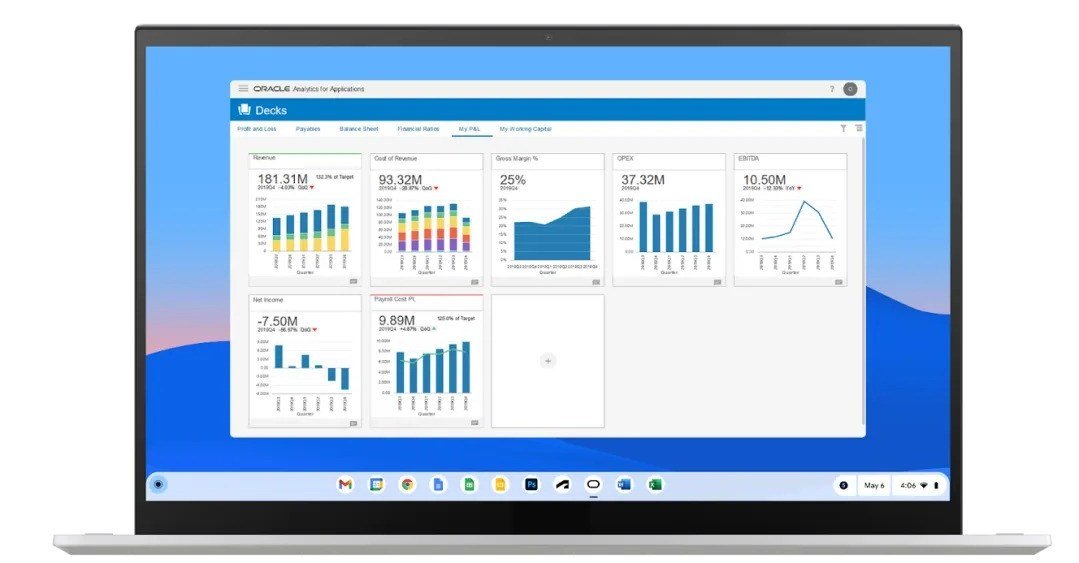
Cameyo enables organizations to run Windows applications in a browser, free from the constraints of traditional operating systems. By virtualizing applications and delivering them through the cloud, Cameyo allows businesses to access these programs on various devices without needing powerful local hardware. This capability is particularly advantageous for organizations transitioning to ChromeOS, as it removes the technical barriers associated with shifting applications from Windows to a browser-based environment.
Key Features of the Relaunched Cameyo
-
Seamless Application Delivery: Cameyo allows users to access their existing Windows applications via a simple browser interface. This eliminates the need for cumbersome installations and the risks associated with outdated software.
-
Enhanced Security: With cloud-based delivery, sensitive data remains secure. The applications run on Cameyo’s servers, minimizing the risk of data breaches commonly associated with traditional desktop environments.
-
Cost-Effectiveness: Businesses can reduce costs by cutting down on expensive Windows licenses, as Cameyo operates on a subscription model. This can significantly lower overall IT expenses, particularly for companies scaling their operations.
-
User-Friendly Experience: The interface is designed with a focus on user experience, allowing employees to transition smoothly from Windows to ChromeOS without a steep learning curve.
-
Centralized Management: IT teams gain centralized control over application deployment, updates, and troubleshooting, further streamlining operational efficiencies and reducing the burden on IT resources.
Bridging the Gap
For many enterprises, the transition to ChromeOS may initially seem daunting, given the reliance on familiar Windows applications. Cameyo effectively bridges this gap, allowing businesses to retain their essential applications while migrating to a more modern, cost-effective, and secure operating environment.
According to industry analyses, the global push towards remote work and cloud solutions has accelerated the adoption of alternative operating systems. Organizations are increasingly looking for tools that not only facilitate this process but also enhance flexibility and productivity. Cameyo satisfies these requirements, providing an attractive pathway for businesses hesitant to abandon their established software ecosystems.
Conclusion
With the relaunch of Cameyo, Google is placing a clear focus on capturing the enterprise market transitioning from Windows to ChromeOS. The strategic alignment of advanced cloud technologies with user-friendly application delivery is set to revolutionize how businesses operate in the digital age. As more companies embrace the benefits of cloud computing, Cameyo positions itself as a vital resource, further solidifying Google’s dominance in the rapidly evolving tech landscape.
In the end, the long-term success of Cameyo and ChromeOS will depend not only on their ability to meet the current demands of businesses but also on their agility in adapting to the future of work. By offering innovative solutions and addressing the pain points of transitioning to a cloud-based environment, Google is steering the conversation toward the next generation of enterprise technology.