






















Apple Removes Night Mode Photo Feature from iPhone 17 Pro: A Controversial Decision
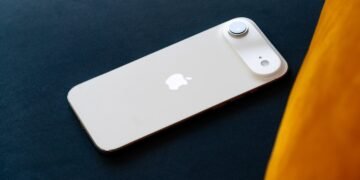
In a move that has sparked widespread debate among photographers and tech enthusiasts alike, Apple has decided to remove the Night Mode photo feature from its latest flagship device, the iPhone 17 Pro. This decision has raised questions about Apple’s direction in smartphone photography, especially when the competition continues to enhance low-light capabilities.
What is Night Mode?
Night Mode is a popular feature introduced in the iPhone 11, allowing users to take stunning photos in low-light conditions. By leveraging a combination of advanced computational photography and machine learning algorithms, Night Mode enables the iPhone to produce bright, vibrant images that rival those taken with professional equipment. The feature quickly became one of the hallmark selling points for Apple’s smartphones, contributing to the device’s appeal among both casual users and photography aficionados.
What Happened with the iPhone 17 Pro?
The anticipation for the iPhone 17 Pro was palpable among Apple fans, especially given the brand’s strong commitment to photography enhancements. However, when the device was officially launched, the omission of the Night Mode feature came as a shock. Instead, Apple has opted to focus on other aspects of photography, such as improved megapixel counts and the integration of new hardware components like advanced sensors and lenses.
Apple’s decision appears to stem from a strategic shift aimed at promoting what the company believes are more innovative features. According to some reports, Apple is steering towards an enhanced AI-driven photographic experience that allows for more personalized photo enhancements, rather than relying solely on the Night Mode feature. Users are greeted with new capabilities that purportedly could auto-adjust exposure, contrast, and color grading in real-time, even in darker environments.
Community Reaction
Reactions to the removal of Night Mode have been mixed. Many users in the photography community have expressed disappointment, as they believe Night Mode was one of the standout features that set Apple’s smartphone cameras apart. Tech reviewers and die-hard Apple fans have taken to social media platforms to voice their concerns, questioning if Apple is prioritizing novelty over functionality.
Some industry experts, however, suggest that Apple’s decision could signify a deeper innovation in photography that might compensate for the lack of Night Mode. They argue that the removal of this feature could help streamline the user experience, allowing for a more cohesive set of capabilities without redundant modes.
What’s Next for iPhone Photography?
As technology continues to evolve, the landscape of smartphone photography is bound to change. Apple’s strategies around its camera capabilities remain to be seen, particularly after this controversial decision. The company has a history of reintroducing popular features or revamping them in future iterations. It is possible that future updates may reintegrate a form of Night Mode through software updates or enhancements driven by user feedback.
In the meantime, competitors like Google and Samsung are likely to capitalize on this change, spotlighting their own low-light photography capabilities. With Night Mode now absent from the iPhone 17 Pro, consumers may look to rival brands that continue to invest in low-light photography technologies.
Conclusion
The removal of the Night Mode photo feature from the iPhone 17 Pro represents a bold shift for Apple, one that reflects the company’s evolving approach to smartphone photography. While some may lament the loss, others might await the next wave of innovations that could redefine low-light photography. As the dust settles on this decision, one thing is clear: Apple will need to continue pushing boundaries to maintain its status as a leader in the smartphone market. Only time will tell if this move ends up being a strategic stroke of genius or a misstep that consumers will remember.