



























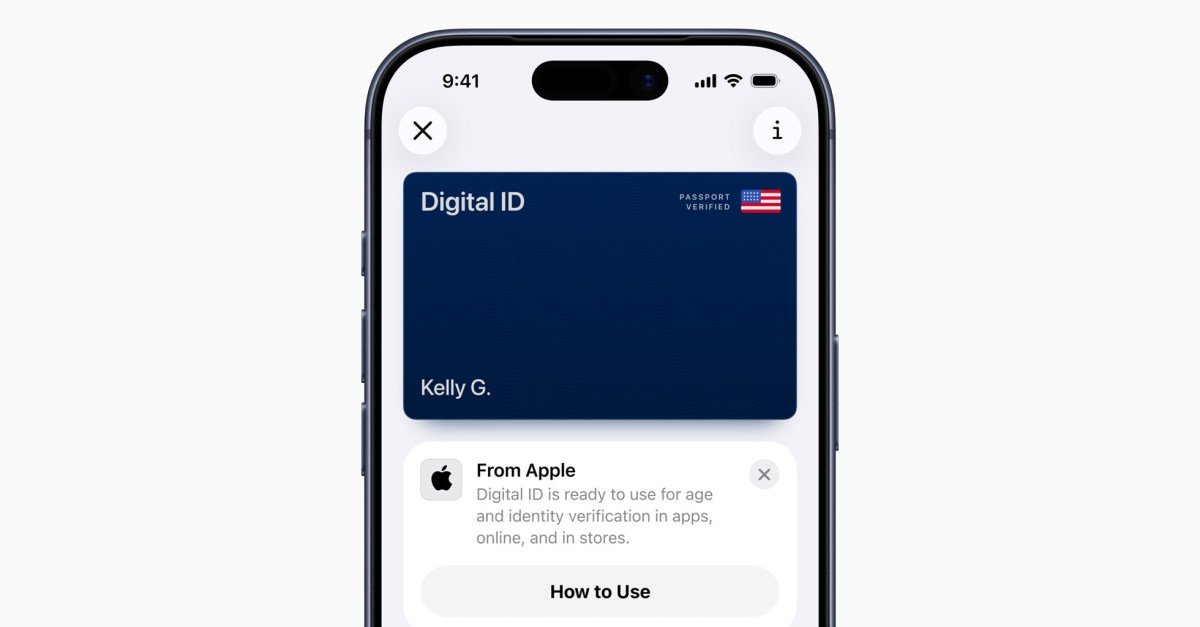
Apple Launches Digital ID: A Game-Changer for Travelers as TSA Announces Acceptance
In a groundbreaking move that promises to transform the way we travel, Apple has officially launched its Digital ID feature, which the Transportation Security Administration (TSA) has announced will be accepted at airport checkpoints across the United States. This innovative initiative is set to streamline security processes while also embracing the digital age of personal identification.
A New Era of Identification
Apple’s Digital ID aims to replace traditional physical forms of identification with a secure, digital alternative stored in the Apple Wallet app. Users can upload their driver’s licenses or state-issued IDs onto their devices, which can then be presented for verification at airport security and other identification-required locations. By leveraging the security features inherent in Apple devices, such as Face ID and Touch ID, the company is taking steps to ensure that users’ information remains safe and secure.
Enhanced Security and Privacy
One of the core philosophies behind Apple’s Digital ID is to safeguard user privacy. The technology utilizes advanced encryption methods, ensuring that sensitive personal data is not easily accessible or transferable without user consent. This focus on security is paramount, particularly in an age where data breaches and identity theft are pressing concerns.
When presenting a Digital ID, travelers can authenticate their identity without disclosing additional personal information. For instance, while a physical ID might disclose a person’s full name, address, and date of birth, a Digital ID can be configured to share only what is necessary for verification. This feature aligns seamlessly with growing consumer demand for privacy and control over personal data.
TSA’s Approval and Implementation Plan
The TSA’s endorsement of Apple’s Digital ID marks a significant endorsement in the realm of digital identification, as it acknowledges the need for modern solutions in airport logistics. According to TSA Administrator David Pekoske, “The acceptance of digital IDs is a major step forward in improving the security and efficiency of the travel experience for passengers.”
The rollout for Digital ID acceptance at TSA checkpoints is set to begin in select airports, with plans to expand nationwide based on tech readiness and user feedback. Travelers will be able to scan their Digital IDs at dedicated kiosks, significantly reducing the time spent at security checkpoints and enhancing the overall travel experience.
Benefits to Travelers and the Industry
The introduction of Digital ID is poised to bring numerous benefits not only to travelers but also to the broader travel industry. Here are a few key advantages:
-
Faster Processing Times: With a seamless digital verification process, travelers are likely to experience shorter wait times, particularly during peak travel periods.
-
Reduced Risk of Lost Documents: Digital IDs stored on mobile devices reduce the chances of losing a physical ID before, during, or after travel.
-
Encouraging Digital Transformation: The partnership between Apple and TSA showcases a commitment to embracing technology in the travel sector, paving the way for further advancements in automation and efficiency.
-
Environmental Impact: Moving towards a paperless system aligns with global sustainability goals, reducing waste associated with physical ID printing and document handling.
Looking Ahead
As the world continues to adapt to technological advancements, Apple’s Digital ID and the TSA’s acceptance of this new form of identification signify a pivotal moment in the intersection of technology, security, and convenience. This initiative not only addresses the practical needs of modern travelers but also sends a message about the importance of embracing change in a fast-paced world.
With Apple’s innovative approach and the TSA’s commitment to enhancing airport security, the future of travel looks promising. As more travelers turn to their devices for identification, we can expect widespread adoption of digital solutions across various sectors, ultimately redefining how we think about ID and personal security in a digital-first landscape.