


























End of an Era: Crucial Shuts Down as Micron Shifts Focus to AI Gold Rush
For years, Crucial has been the go-to brand for budget-conscious PC builders and upgraders seeking reliable RAM and SSDs. Now, that era is coming to an end. Micron, the parent company behind Crucial, has announced the brand’s shutdown, signaling a significant shift in strategy driven by the explosive growth of the artificial intelligence (AI) market.
While the official statement from Micron doesn’t explicitly mention a complete abandonment of consumer-grade components, the subtext is clear: the company is prioritizing the high-margin, high-demand opportunities presented by the AI sector.
Crucial’s Legacy: Affordable Performance for the Masses
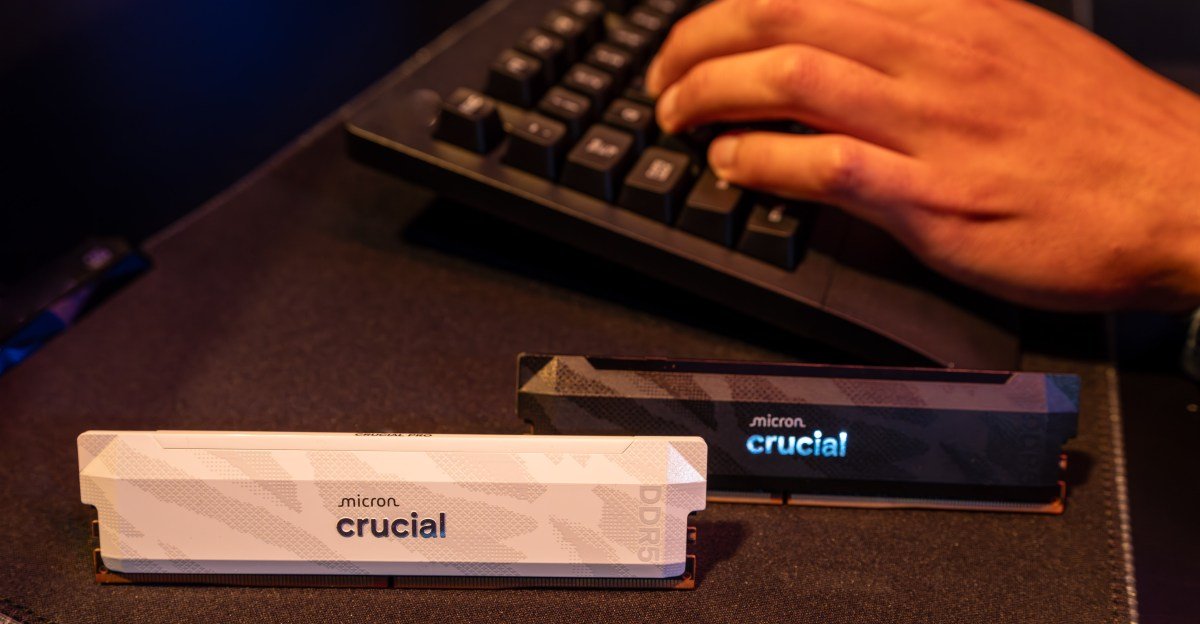
Crucial carved a niche for itself by offering dependable memory and storage solutions at competitive prices. Their RAM kits were a staple in countless gaming rigs and workstations, while their SSDs offered a significant performance boost over traditional hard drives, democratizing faster storage for a wider audience.
The brand’s popularity stemmed from its direct connection to Micron’s manufacturing prowess. Unlike many other memory and storage brands that simply rebrand components from other manufacturers, Crucial benefitted from Micron’s in-house production capabilities, often offering similar performance to higher-priced competitors at a more attractive price point.
AI’s Insatiable Appetite: A Paradigm Shift in the Memory Market
The rise of AI, particularly large language models and generative AI, has created an unprecedented demand for high-performance memory and storage. These applications require massive amounts of data to be processed and stored rapidly, pushing the limits of existing memory architectures.
Micron, recognizing this lucrative opportunity, is strategically pivoting its resources towards developing and manufacturing advanced memory solutions specifically designed for AI workloads. This includes high-bandwidth memory (HBM), which offers significantly faster data transfer rates compared to traditional DDR memory.
The Economics of Prioritization: High Margins vs. Mass Market
The decision to effectively sideline Crucial boils down to simple economics. The AI market offers significantly higher margins compared to the consumer market. AI companies are willing to pay a premium for cutting-edge memory solutions that can accelerate their research and development efforts.
While the consumer market for RAM and SSDs remains substantial, it is also highly competitive and price-sensitive. Margins are typically thinner, and the pressure to compete on price is intense.
What Does This Mean for Consumers?
The immediate impact of Crucial’s shutdown will be a gradual phasing out of its existing product line. Consumers can still expect to find Crucial products available for sale for a limited time, but new product development and manufacturing will likely cease.
This could lead to:
- Increased prices for consumer-grade memory and storage: With one less major player in the market, competition could decrease, potentially leading to higher prices for consumers.
- A shift in brand loyalty: Consumers who previously relied on Crucial for their memory and storage needs will need to explore alternative brands.
- Innovation potentially slowing down: While the AI market will undoubtedly drive innovation in memory technology, the consumer market could see a slowdown in advancements as manufacturers prioritize the more profitable AI sector.
Micron’s Gamble: A Future Focused on AI
Micron’s decision to prioritize the AI market is a calculated gamble. The company is betting that the demand for high-performance memory solutions for AI will continue to grow exponentially, justifying the shift away from the consumer market.
While the loss of Crucial will be felt by budget-conscious PC enthusiasts, it represents a broader trend in the technology industry: the relentless pursuit of the next big thing. In this case, that “thing” is artificial intelligence, and Micron is determined to be a key player in its development, even if it means sacrificing a beloved brand in the process.
The future of memory and storage is undoubtedly intertwined with the future of AI. Only time will tell if Micron’s strategic shift will pay off in the long run, but one thing is certain: the landscape of the memory market is undergoing a dramatic transformation.