



























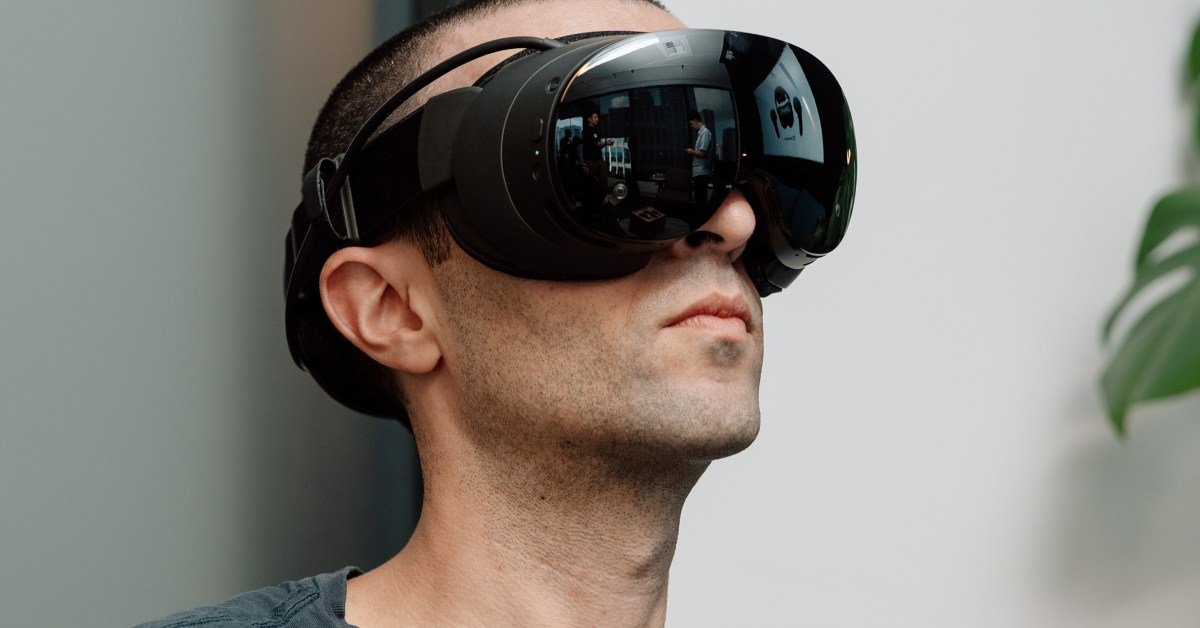
The Steam Frame: A Surprising New Twist on VR
In an era where virtual reality (VR) has become synonymous with immersive experiences, developers are continuously pushing the boundaries to redefine how we interact with digital worlds. One of the most fascinating recent innovations in this space is the Steam Frame, a product that promises to bridge the gap between traditional gaming and virtual reality in unexpected ways.
What is the Steam Frame?
The Steam Frame is a novel device that offers a physical space to enhance the VR experience, combining aspects of augmented reality (AR) and environmental interaction through tangible, real-world frameworks. Unlike conventional VR headsets, which often confine users to isolated, headset-centric environments, the Steam Frame extends the gaming experience beyond the headset and into the physical world, weaving together the real and virtual.
Key Features of the Steam Frame
-
Interactive Physical Framework: The Steam Frame is essentially a modular structure that can be set up in your physical space. Users can customize its size and shape, creating an adaptable environment that interacts with VR and AR experiences. This design encourages movement and engagement, promoting a more active gaming lifestyle.
-
Enhanced Immersion: With sensors and haptic feedback incorporated into the frame, users can feel vibrations and physical interactions as they traverse virtual worlds. This tactile feedback transforms the experience, making gameplay feel more lifelike. Imagine scaling a virtual mountain while feeling the texture of the “rocks” or the wind against your face as you race through a virtual landscape.
-
Community Engagement: The Steam Frame promotes social interaction during gaming sessions. Multiple players can set up their frames in proximity, allowing them to explore shared virtual spaces, collaborate on challenges, or compete in multiplayer games while remaining aware of each other’s physical surroundings. This feature shifts the focus from solitary experiences to communal gameplay, fostering connection among players.
-
Personalized Programs: The Steam Frame is compatible with a variety of VR titles and platforms, including SteamVR. Its software includes personalization features that allow users to create their environments and experiences tailored to their physical space. Whether you’re looking for a physics-based puzzle game or an intense multiplayer shooter, the Steam Frame adapts to fit your interests.
-
Wellness Integration: Recognizing the importance of physical health, the Steam Frame encourages movement by incorporating fitness games and applications. These VR experiences promote physical activity while keeping users engaged in their virtual adventures, providing a healthy balance between gaming and exercise.
How Does It Challenge Traditional VR?
The Steam Frame stands apart from typical VR experiences by breaking down the barriers that often confine users to their headsets. Traditional VR can evoke feelings of isolation; however, by integrating a physical surrounding and encouraging movement and interaction with others, the Steam Frame encourages a more social, engaging, and physically active form of gaming.
Moreover, the concept of a customizable physical area allows users to craft their unique settings, leading to new ways of storytelling and gameplay mechanics. Instead of merely witnessing a virtual world, gamers can now have a hand in building and interacting with it, leading to creative gameplay experiences that redefine narrative engagement in gaming.
Conclusion
The Steam Frame represents a significant shift in the VR landscape, one that emphasizes interaction, social connection, and physical engagement. As developers continue to innovate, the potential for new gaming experiences will only grow, paving the way for a future where the line between reality and virtuality continues to blur. With the Steam Frame, gamers may find themselves not only immersed in extraordinary worlds but also uniquely connected to one another, all while enjoying the physical benefits of movement and interaction. This dynamism exemplifies the future of gaming and may well change the way we perceive and engage in virtual reality.
As we eagerly anticipate the official launch and the community’s response to the Steam Frame, one thing is clear: the future of VR has never looked more promising.