





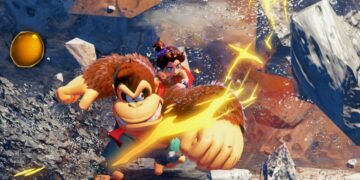





















Forestrike: From Pixel Pusher to Pixel Punisher
I’ve always been a fan of fighting games, but my skills have historically been limited to button-mashing and the occasional lucky combo. I yearned for the precision, the strategy, and the almost psychic connection with my character that separates the good players from the truly great. Then I discovered Forestrike.
Forestrike, for the uninitiated, is a pixelated fighting game that’s deceptively simple on the surface. Its retro aesthetic and limited color palette might lull you into a false sense of security, but beneath the surface lies a deep and rewarding combat system. It’s a game that demands patience, practice, and a willingness to learn from your mistakes. And let me tell you, I made a lot of mistakes.
My initial forays into Forestrike were, to put it mildly, embarrassing. I flailed, I got cornered, and I was consistently annihilated by opponents who seemed to anticipate my every move. I considered giving up, relegating Forestrike to the pile of games I enjoyed watching more than playing. But something about its tight mechanics and the sheer satisfaction of landing a well-timed hit kept me coming back for more.
What followed was a period of intense training. I devoured online guides, watched replays of top players, and spent countless hours in training mode, honing my fundamentals. I learned the importance of spacing, the nuances of each character’s move set, and the art of punishing predictable attacks.
Forestrike’s pixelated presentation actually became an advantage. The simplified animations forced me to focus on the core principles of fighting game strategy. I couldn’t rely on flashy effects or complicated character models; I had to understand the underlying mechanics of each move and how they interacted with the game’s system.
Slowly but surely, I started to see improvement. I began to anticipate my opponents’ moves, string together combos with greater consistency, and even pull off the occasional clutch victory. The feeling of finally mastering a difficult technique, of landing that perfect counter, was incredibly rewarding.
But Forestrike taught me more than just how to execute combos. It taught me patience, discipline, and the importance of analyzing my own gameplay. I learned to identify my weaknesses, adapt to different playstyles, and stay calm under pressure. These lessons transcended the game itself, influencing my approach to other challenges in life.
Now, I wouldn’t claim to be a pro Forestrike player. There’s always more to learn, more to master. But I can confidently say that Forestrike transformed me from a button-mashing novice into a competent and thoughtful fighting game player. It’s a testament to the power of a well-designed game to not only entertain but also to teach valuable skills.
So, if you’re looking for a challenging and rewarding fighting game experience, I highly recommend giving Forestrike a try. Don’t be intimidated by its retro aesthetic; beneath the pixels lies a world of depth and strategy. And who knows, maybe you’ll discover your inner pixel punisher too. Just be prepared to put in the work, because Forestrike doesn’t hand out victories. It makes you earn them, one pixelated punch at a time.