

























Phones: The Comeback of Fashion in 2025
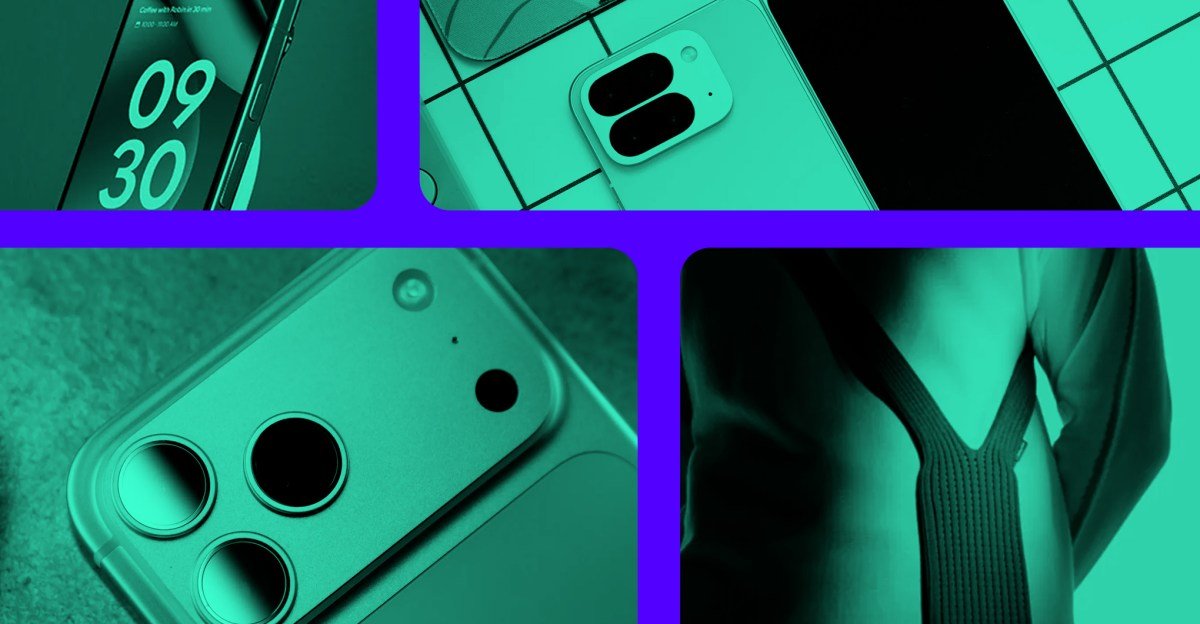
In the fast-paced world of technology, where innovation often takes precedence over aesthetics, 2025 marked a surprising resurgence in the fashionability of mobile phones. This unexpected trend not only transformed how consumers viewed their devices but also reshaped the entire mobile industry, bringing style and design back into focus.
The Evolution of Aesthetics
In the early 2020s, mobile phones primarily emphasized functionality, performance, and screen size. The sleek, minimalist designs predominantly showcased on display shelves were functional but lacked personality. However, as consumers began seeking more individuality and self-expression in their tech devices, manufacturers started to pivot their strategies.
By 2025, phones emerged as not just communication tools but as fashion statements, much like clothing and accessories. This shift coincided with the growing “slow fashion” movement, where consumers were more conscious about what they purchased and cared about the design and sustainability of their products.
High-Profile Collaborations
The fashion world took notice and began collaborating with tech giants. Iconic fashion houses partnered with mobile manufacturers to create limited-edition devices adorned with unique patterns, colors, and materials. Brands like Gucci, Prada, and Balenciaga released specially designed phone cases and customizable wraps that allowed consumers to express their style without sacrificing functionality.
Moreover, smartphone manufacturers started engaging high-profile designers to craft phones that looked as good as they performed. The 2025 release of the “Fashion Phone,” a collaboration between a leading tech company and a renowned designer, showcased luxurious materials, intricate engravings, and even customizable external elements, making it a must-have accessory.
The Rise of Personalization
Personalization became the cornerstone of the fashion phone trend. In 2025, users could customize everything from the phone’s exterior to the interface. Advanced printing technology allowed for intricate designs to be printed directly onto the phone’s surface, bolstering consumer connection to their devices. Users could choose from a palette of colors, textures, and patterns—making their phone a true reflection of their personal style.
Established brands also introduced modular components that allowed users to change their phone’s cases, buttons, and even camera elements, catering to the ever-changing whims of fashion while enhancing functionality.
Social Media Influences
Social media influencers played an instrumental role in the resurgence of fashionable phones. Platforms like Instagram and TikTok showcased trends that emphasized style, and influencers began flaunting their tech devices not just for their capabilities but for their aesthetic appeal. The #FashionTechChallenge became a viral trend, where users showcased their most stylish phone setups, sparking conversations around fashion and technology.
Platforms also adapted, allowing for features that let users filter their photos based on the aesthetics of their devices. This melded both fashion and technology, appealing to a younger demographic that prioritized social presence alongside utility.
Sustainability Meets Fashion
With the fashion comeback, sustainability became a significant theme in the industry. Eco-conscious consumers preferred devices made from recycled materials or those with biodegradable parts. Fashionable phones of 2025 utilized sustainable design practices, ensuring that style didn’t come at the expense of the planet. In response, brands launched campaigns promoting their eco-friendly materials, capturing the attention of a generation increasingly concerned about their environmental footprint.
Conclusion
The return of phones as a fashionable accessory in 2025 signaled a broader cultural shift within consumer technology. By intertwining style and substance, the industry reminded consumers that technology could be both functional and visually appealing. As we move forward, the lessons learned from this trend will likely influence the trajectory of mobile design for years to come, ensuring that our devices not only work effectively but also resonate with our individual styles and values. In an era where self-expression is paramount, the fusion of fashion and technology has opened a new chapter in the relationship between people and their devices—one characterized by creativity, individuality, and conscious consumerism.