


























Valve Enters the Console Wars: A New Era for Gaming?
In an industry characterized by constant innovation and competition, Valve Corporation is taking a bold step by entering the console market. Known for revolutionizing PC gaming with hit titles such as Half-Life, Dota 2, and Counter-Strike, as well as the development of the Steam platform, Valve’s move into consoles is both surprising and exciting. The gaming community is buzzing with speculation about what this means for gamers and the industry as a whole.
The Rise of Valve
Founded in 1996 by Gabe Newell and Mike Harrington, Valve quickly made a name for itself with the release of Half-Life in 1998, which reshaped narrative-driven first-person shooters. In the years that followed, Valve expanded its influence through both game development and the introduction of Steam in 2003, an online distribution platform that became synonymous with digital gaming. With its success in the PC gaming realm, many wondered if Valve would ever wade into the increasingly competitive waters of console gaming that are dominated by industry giants like Sony, Microsoft, and Nintendo.
The Gaming Landscape
The console market has seen a dramatic evolution over the years, with varying success rates for each console generation. The current war between the PlayStation 5 and Xbox Series X|S continues to highlight the intense rivalry. Both companies have poured billions into research and development, exclusive titles, and next-gen technology. Meanwhile, Nintendo has firmly established itself as a leader in fun and family-oriented gaming with the Switch, which has captured the hearts of millions.
Valve’s Strategy: The Steam Deck
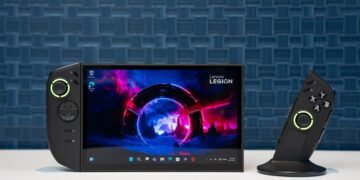
Valve’s recent entry into the console space can be traced back to the release of the Steam Deck, a handheld gaming device that allows players to run their game libraries from Steam on a portable console. Released in February 2022, the Steam Deck has been a commercial success, selling hundreds of thousands of units and introducing a new way for gamers to experience PC titles on the go.
The Steam Deck’s versatility and capability to run a wide range of PC games have positioned it as a contender in the handheld gaming market, while its unique features have undeniably captured the attention of consumers. With this device, Valve has shown its potential to merge PC gaming with console-like experience, blurring the lines and creating an exciting niche.
Future Console Developments
While the Steam Deck has made waves, it’s just the beginning of Valve’s ambitions in the console realm. Rumors are swirling about the possibility of a full-fledged home console that integrates seamlessly with Steam. Such a device would leverage Valve’s standing in the PC gaming community while also appealing to console gamers seeking a robust library of titles, enhanced graphics, and a dedicated gaming experience.
If Valve pursues the development of a home console, it could significantly change the gaming landscape. Imagine a console that provides not only exclusive games but also the vast library of titles available on Steam, complete with mods and community content. This hybrid approach could appeal to a wide audience, combining the best aspects of both PC and console gaming.
Challenges Ahead
Despite its successful foray into the handheld realm, Valve faces significant challenges in the console market. The established rivalries, brand loyalty among gamers, and the financial investments required to compete at this level are considerable hurdles. Additionally, exclusive titles — often seen as the lifeblood of console success — could be a mixed bag for Valve, which historically has focused on multi-platform releases.
Moreover, Valve will need to think carefully about pricing. The console market is highly price-sensitive, and consumers are wary of overpaying for hardware. The company’s previous ventures into hardware, like the Steam Machine, didn’t achieve the desired success and serve as cautionary tales about the complexities of entering this competitive space.
Conclusion
As Valve steps into the console wars, it brings a unique perspective and wealth of experience that could redefine gaming. Whether through innovation in game delivery via devices like the Steam Deck or the potential for a new home console, Valve has the chance to impact an industry always eager for fresh ideas.
With its noteworthy legacy in gaming, the question is not just whether Valve can compete, but how it will shape the future of gaming in the years to come. For gamers around the world, the prospect of Valve’s continued evolution in the console sphere is an exciting development that may lead to new avenues of play and enjoyment. The console wars have never been more interesting, and with Valve in the mix, the future of gaming promises to be exciting.