



























Why the Zune Never Killed the iPod: Analyzing the Failures and Successes of Two Music Giants
In the landscape of portable media players, few names evoke such nostalgia as the Apple iPod and the Microsoft Zune. Launched in the early 2000s, the iPod quickly became synonymous with music on the go, enjoying unparalleled success and cultural significance. Meanwhile, Microsoft, with its Zune, entered the arena with hopes of dethroning the iPod. However, the Zune never managed to capture the market share or cultural impact that the iPod did. This article explores the reasons behind the Zune’s failure to overtake the iPod and the lessons learned from both devices.
1. Brand Power and Market Positioning
When the iPod launched in 2001, Apple was already reshaping consumer technology with its innovative and stylish products. The iPod was aimed at music enthusiasts, and its early marketing positioned it as a premium product that combined great design with advanced features. The “Think Different” philosophy led Apple to build a strong brand loyalty that went beyond just the device itself. People didn’t just buy an iPod; they bought into a lifestyle.
Conversely, the Zune launched in 2006 during a period when Microsoft struggled with a fragmented brand image. The Zune often felt like an afterthought, a product created to keep up with Apple’s success rather than as a true innovation in its own right. Without a compelling brand narrative or a clear target market, the Zune struggled to differentiate itself from the iPod.
2. User Experience and Design
The iPod excelled in its user experience and design attributes. Apple focused heavily on intuitive navigation, sleek aesthetics, and a seamless experience from hardware to software. The original click wheel and later touch interfaces allowed users to interact with their music in a way that felt natural and immersive.
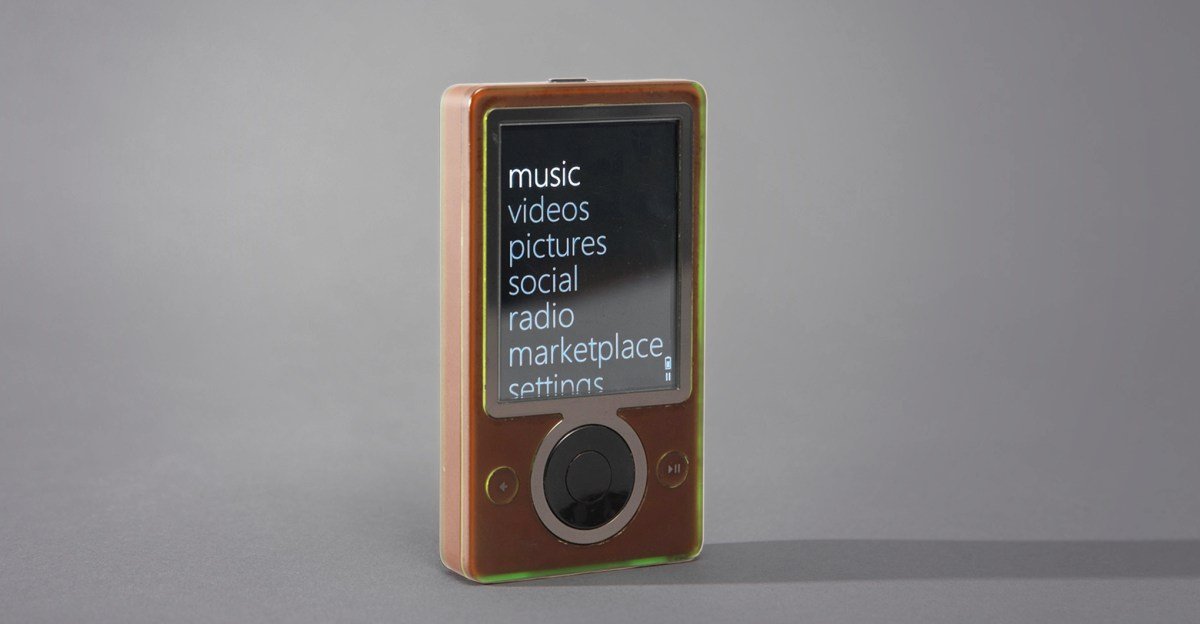
On the other hand, while the Zune featured a unique design that attempted to stand out, it struggled with its interface and software ecosystem. Early models received mixed reviews regarding usability, and many users found the experience less streamlined than that of the iPod. Apple’s iTunes ecosystem was vast and cohesive, allowing users not only to manage their libraries but also to purchase music easily. The Zune’s marketplace struggled with its offerings and failed to instill the same sense of ease and accessibility.
3. Ecosystem and Media Library
Apple’s iTunes played a pivotal role in the iPod’s success. Launched in conjunction with the iPod, iTunes provided a user-friendly platform for purchasing and organizing music, syncing it directly to the device. The combination of iPod and iTunes created an ecosystem that benefitted from network effects; as more people bought iPods, more music was made available on iTunes, attracting even more customers.
In contrast, the Zune Marketplace, which was intended to be the central hub for Zune users, never achieved the same level of integration or content diversity. It struggled to compete with the vast library and established presence of iTunes. As consumers flocked to the iPod due to its extensive music offerings, the Zune couldn’t bridge the content gap effectively enough to entice users.
4. Timing and Market Saturation
By the time the Zune was released, the iPod was already firmly entrenched in the market. Apple had released multiple iterations and had effectively captured a significant share of the music-loving consumer base. The late arrival of the Zune meant it entered a market that was not only saturated but was also dominated by the loyalty of existing iPod owners.
Furthermore, the rise of smartphones, particularly the iPhone introduced in 2007, began to shift consumer behavior. The prospect of having a multifaceted device that combined music playback with phone features began to eclipse the need for standalone music players. Microsoft’s hesitation to pivot toward a smartphone-centric approach left the Zune in a position where it was increasingly irrelevant.
5. Perception and Cultural Impact
The cultural impact of the iPod extended far beyond music; it became a symbol of a generation, influencing fashion, art, and lifestyle. It was celebrated in pop culture, featured in movies, and became a staple of everyday life for millions. The Zune, however, lacked a compelling narrative or cultural resonance. It was often viewed as a mere competitor, leading to a perception that it was “just another MP3 player” rather than a device with a unique value proposition.
Conclusion
The Zune’s failure to dethrone the iPod can be attributed to a combination of branding missteps, user experience challenges, lack of a cohesive media ecosystem, the timing of its release, and a failure to resonate culturally with consumers. While the Zune itself was an innovative product with some unique features, it never captured the magic that the iPod had with its seamless interface, extensive library, and an unbeatable brand presence.
Ultimately, the Zune serves as a reminder of how critical it is for technology companies to prioritize user experience, create a compelling ecosystem, and build strong brand loyalty in a competitive marketplace. While the Zune has faded into historical obscurity, the lessons learned from its rise and fall remain relevant for tech enthusiasts and companies alike.