























Title: The Downfall of Netbooks: How Apple Played a Role and What the Future Holds
Introduction
The tech landscape is ever-evolving, with devices frequently rising and falling in popularity. One of the more noteworthy casualties of the past decade was the netbook, a compact and lightweight laptop that promised affordability and portability. While netbooks were heralded as the ideal devices for tech-savvy students and casual users, their reign was unexpectedly cut short. Interestingly, Apple, a behemoth of innovation, played a significant role in their demise. As we assess the trajectory of portable computing, we must ask: will netbooks make a comeback?
The Rise and Fall of Netbooks
Netbooks first emerged in the mid-2000s and quickly captured the attention of consumers looking for budget-friendly laptops. With features designed for basic tasks—web browsing, light word processing, and multimedia consumption—they found a niche among students and frequent travelers. Brands like Asus, Acer, and HP flooded the market with affordable options, and for a time, it seemed the netbook was here to stay.
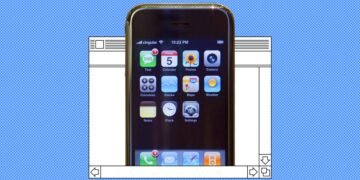
However, several factors led to the rapid decline of netbooks. Chief among them were their limited processing power, cramped keyboards, and underwhelming battery life. As users began to demand more from their devices, the appeal of netbooks waned. Then came Apple’s introduction of the iPad in 2010—an innovative tablet capable of performing many tasks traditionally relegated to laptops. The iPad’s sleek design, user-friendly interface, and powerful App Store quickly became a game-changer in portable computing.
Apple’s Influence on the Market Shift
Apple’s impact on technology is undeniable. The iPad, marketed as a tablet that blended the best aspects of smartphones and computers, offered consumers something netbooks could not: versatility and a premium experience. The iPad gained traction as the device of choice for on-the-go users, effectively overshadowing netbooks in the process.
Moreover, Apple’s high standards for design and user experience shifted consumer expectations. The touch interface, vibrant display, and extensive app ecosystem of the iPad made netbooks look outdated. As consumers gravitated towards the tablet experience, manufacturers adjusted their strategies, ultimately leading to a rapid decline in netbook sales. By 2013, the netbook market had virtually collapsed.
Current Trends in Portable Computing
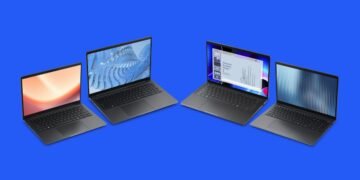
With the increasing demand for devices that blend performance, portability, and usability, the market has seen the rise of ultra-portable laptops and hybrids that bridge the gap between traditional laptops and tablets. Devices like the Microsoft Surface and the Chromebook have taken the spotlight, focusing on providing better performance, enhanced features, and improved user experience.
The popularity of these devices raises the question: can netbooks ever make a comeback? In a market where consumers have a plethora of options—many of which are more powerful and versatile than netbooks—the prospects seem dim. Additionally, advancements in technology have led consumers to expect more from their devices. A resurgence of the netbook would require an innovative redesign that addresses the shortcomings that led to their demise in the first place.
Conclusion: The Future of Portable Computing
While Apple undeniably played a pivotal role in the decline of netbooks, the path forward lies in understanding consumer needs and technological advances. The rise of versatile devices, combined with the current trends toward higher performance and premium features, suggests that the traditional netbook is unlikely to return. However, the essence of what made netbooks appealing—affordability and portability—will always have a place in technology.
In the ever-changing tech landscape, there is always room for innovation and adaptation. As companies continue to explore what users want from their devices, it’s possible that a new iteration of the netbook—one that integrates the best features of tablets and laptops—could emerge, transforming the market once more. For now, though, netbooks serve as a reminder of how quickly the tide can change in the world of technology, and how a single company can influence an entire market’s trajectory.