




















Windows on Arm: Ready Player One? Gaming Gets a Boost
For years, the promise of Windows on Arm has been tantalizing. The efficiency of ARM-based processors, combined with the versatility of Windows, offered a compelling vision: powerful yet power-sipping laptops and tablets capable of handling everyday tasks with ease. However, one crucial piece of the puzzle has been missing: a compelling gaming experience. But thanks to recent advancements and key partnerships, that’s finally starting to change. Windows on Arm is finally getting game-ready.
The biggest hurdle facing Windows on Arm gaming has been compatibility. Games are typically designed for x86 architecture, the dominant processor type in traditional PCs. Running these games on Arm required emulation, which often led to significant performance penalties, making even moderately demanding titles unplayable.
Enter the Emulation Evolution:
Microsoft has been diligently working to improve the emulation experience, and the results are starting to show. The latest version of Windows 11 includes significant enhancements to the x86-64 emulation layer. This optimized emulation allows games to run more smoothly and efficiently, bridging the performance gap and making a wider range of titles playable.
DirectX 12: A Game Changer:
The arrival of full DirectX 12 support on Windows on Arm is another crucial milestone. DirectX 12 is a low-level graphics API that allows developers to directly access and optimize hardware resources, resulting in improved performance and visual fidelity. Native DirectX 12 support eliminates the need for translation layers, unlocking the full potential of Arm-based GPUs and allowing for a smoother, more responsive gaming experience.
Strategic Partnerships: The Qualcomm Advantage:
Qualcomm, a leading provider of Arm-based processors, has been instrumental in pushing the boundaries of Windows on Arm gaming. Their Snapdragon chips, with their integrated Adreno GPUs, offer impressive graphics capabilities. Qualcomm has been actively working with game developers to optimize their titles for Snapdragon platforms, ensuring smoother performance and better compatibility.
What Does This Mean for Gamers?
These advancements translate to a more viable gaming experience on Windows on Arm devices. While you might not be able to run the latest AAA titles at maximum settings just yet, the ability to play a significant portion of your game library, especially older titles, indie games, and cloud-based games, is now a reality.
Here’s what you can expect:
- Improved Performance: Games that were previously unplayable or suffered from severe performance issues are now running smoother, thanks to optimized emulation and native DirectX 12 support.
- Wider Game Compatibility: The number of games playable on Windows on Arm is continuously growing as developers optimize their titles and Microsoft improves its emulation technology.
- Extended Battery Life: The inherent power efficiency of Arm processors means you can game for longer on a single charge compared to traditional x86-based laptops.
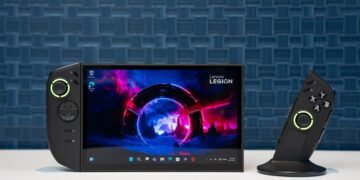
- Potential for Mobile Gaming: The portability of Windows on Arm devices, combined with their improved gaming capabilities, makes them ideal for on-the-go gaming.
The Future of Windows on Arm Gaming:
While there’s still work to be done, the progress made in recent years is undeniable. Microsoft and Qualcomm are committed to further improving the gaming experience on Windows on Arm, and we can expect to see even more advancements in the future.
Looking ahead, we can anticipate:
- Further Emulation Optimizations: Microsoft will likely continue to refine its x86-64 emulation layer, further improving performance and compatibility.
- Native Arm Game Development: As Windows on Arm gains traction, more developers may consider developing games specifically for the platform, unlocking its full potential.
- More Powerful Arm Processors: Qualcomm and other chipmakers are constantly pushing the boundaries of Arm technology, resulting in more powerful processors with enhanced graphics capabilities.
Conclusion:
Windows on Arm has long been a promising platform, but its gaming capabilities have lagged behind. Thanks to significant improvements in emulation, the introduction of native DirectX 12 support, and strategic partnerships with companies like Qualcomm, Windows on Arm is finally becoming a viable option for gamers. While it might not replace your dedicated gaming rig just yet, it offers a compelling blend of portability, efficiency, and now, a respectable gaming experience. The future of Windows on Arm gaming is bright, and it’s only a matter of time before it becomes a major player in the gaming landscape.