






















Button of the Month: A Dive into Our Physical Interaction with Devices
In an age where digital interfaces increasingly dominate our interactions, the humble button may seem like an antiquated relic. Yet, it persists, integrating seamlessly into our daily lives. Every month, we celebrate a “Button of the Month” to appreciate the tactile experience, emotional complexity, and innovative design elements that buttons embody. This month, we take a closer look at how buttons underscore our physical interactions with technology, exploring their impact on ergonomics, design, emotion, and functionality.
The Tactile Experience
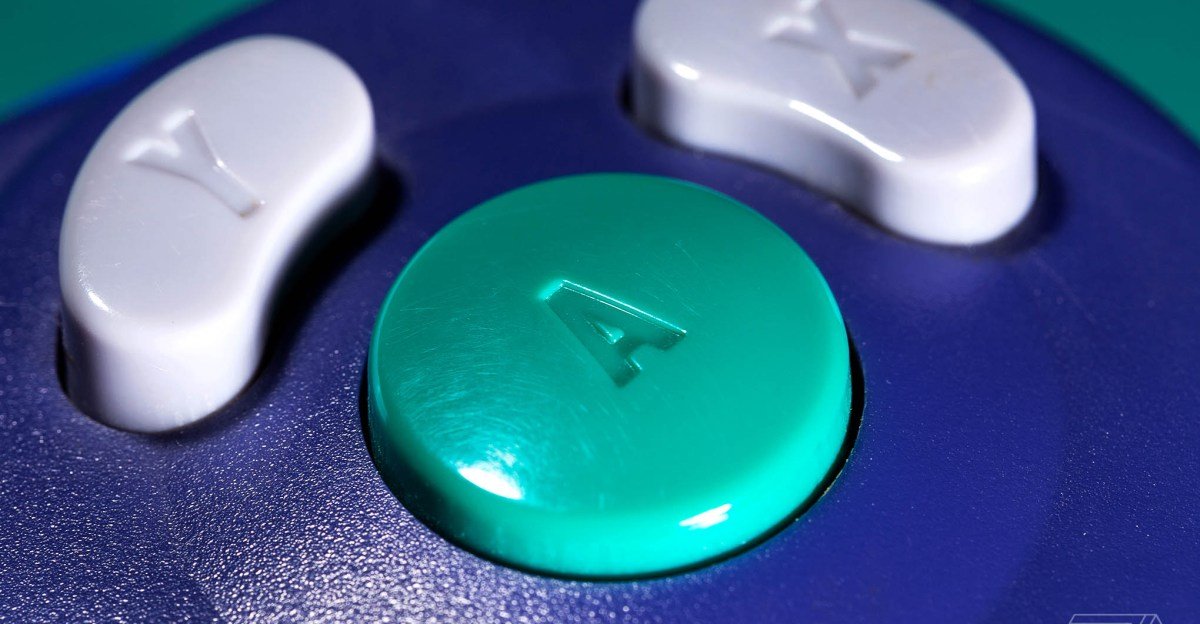
Buttons bring a unique tactile experience that screens simply cannot replicate. When we press a button, our fingers glide over its surface, offering feedback—both physical and auditory. This haptic connection provides assurance that an action has been taken, a bridge between thought and result. Whether it’s the satisfying click of a mechanical keyboard, the soft resistance of a pop-up button in a smartphone, or the nostalgia of an old-fashioned game controller, our fingers translate intentions into real-world actions.
Psychologists point to the importance of tactile sensations in decision-making and engagement. The sensation of a button can influence our emotional response to an interface. For instance, an excessively spongy button may evoke feelings of frustration and inefficiency, while a well-designed button with satisfying resistance can enhance our sense of control and satisfaction.
Ergonomic Design
The design of a button is not merely aesthetic; it is a critical component of user experience. Ergonomics plays a significant role in how we engage with devices. Consider the layout of a typical remote control: frequently used buttons, like the power or volume controls, are usually larger, easily accessible, and positioned for optimal reach. Such careful consideration reduces strain and enhances usability, making the act of pressing a button a seamless part of our routine.
Moreover, the colors and textures of buttons are designed to aid recognition and usability. For instance, buttons that evoke urgency—like the red button often found in emergency contexts—are specifically crafted to catch our eye and instinctively guide our fingers.
Emotional Connection
Every button tells a story—the story of the designer’s intent, the craftsmanship involved, and the user’s experiences. The nostalgia associated with pressing buttons can evoke powerful memories. Think of the soft, retro buttons of a vintage typewriter or the solid, heavy buttons of a classic car dashboard. They not only serve a function but also create an emotional resonance that enriches our interaction with technology.
Emotional design incorporates this understanding. A well-crafted button can evoke feelings of nostalgia, joy, or comfort, transforming mundane tasks into memorable experiences. The satisfying click of a button on a gaming controller, for instance, becomes an integral part of the immersive experience, allowing players to forge emotional connections to both the game and the device itself.
The Evolution of Technology
As technology has evolved, buttons have adapted. Touch screens and voice controls have gained prevalence, and many devices have moved towards a sleek, button-less aesthetic. However, the recent resurgence of physical buttons—like Apple’s return to the tactile button with its iPhone SE or Google’s use of physical buttons in their latest smart home devices—demonstrates that many users still crave that palpable interaction.
Designers are now experimenting with hybrid solutions. Haptic feedback on touch screens seeks to replicate the sensation of pressing a button, while devices integrate pressure-sensitive touch zones to create versatile functionality without sacrificing tactile feedback. This evolution showcases that while we may embrace new technology, our inherent love for tactile interaction remains.
Conclusion
The “Button of the Month” initiative serves as a reminder of the intrinsic value we derive from physical interactions with our devices. In a world increasingly defined by touch screens and voice commands, the tactile satisfaction of pressing a button allows us to reconnect with our technology on a more personal level.
Buttons symbolize the melding of design, functionality, and emotion—a testament to how even the simplest interactions can enrich our daily experiences. As we celebrate our featured button each month, let us take a moment to appreciate the intricate dance between design and human experience, and recognize that even the tiniest element can have a profound impact on how we engage with our digital world.