



























Apple Fined $116 Million Over App Privacy Prompts: A Turning Point in Data Privacy Regulations
In a landmark decision earlier this month, Apple Inc. has been ordered to pay a substantial fine of $116 million stemming from its handling of app privacy prompts on its iOS platform. This penalty, levied by regulatory authorities, underscores the growing scrutiny tech companies face regarding user privacy and data protection practices.
Background
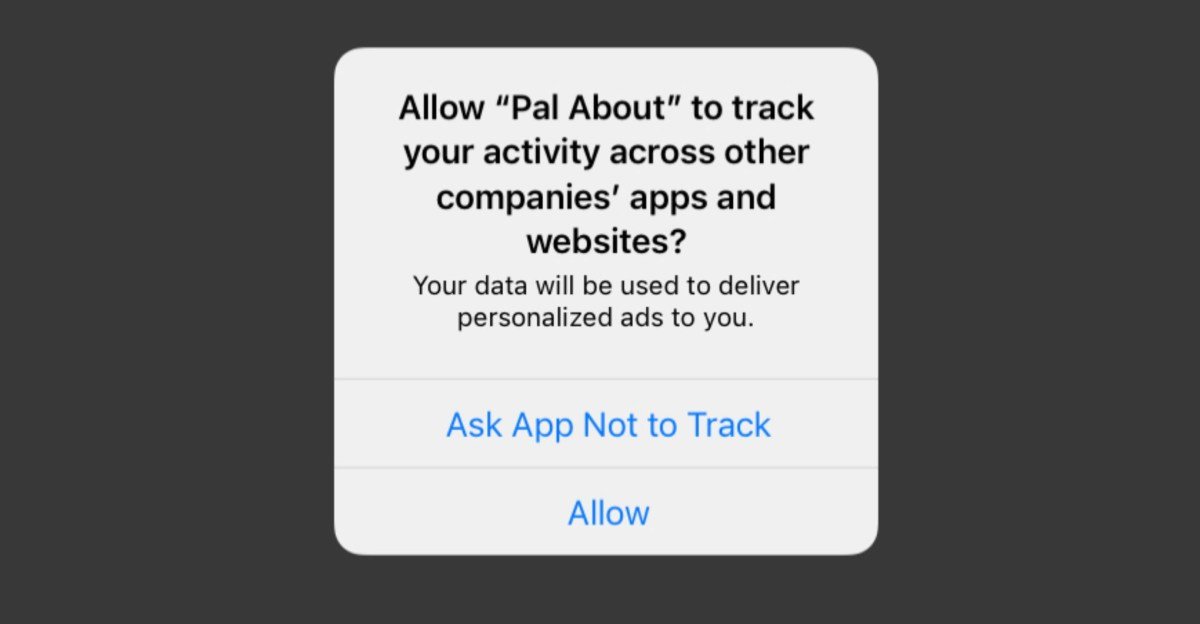
The controversy emerged from allegations that Apple had misused its own privacy and security protocols to gain a competitive edge, ultimately impeding fair competition in the app marketplace. Central to the case was Apple’s App Tracking Transparency (ATT) framework, which was introduced in iOS 14.5. This feature requires app developers to request user permission before tracking their data across other apps and websites. While ATT was lauded for enhancing user control over personal data, critics argued that its implementation was often misleading and inconsistent, leading users to inadvertently accept tracking terms that threatened their privacy.
The Regulatory Findings
Following an extensive investigation by a coalition of consumer advocacy groups and regulatory bodies, it was determined that Apple had failed to adequately inform users about the implications of their consent decisions. In many instances, users were pressed to accept data tracking in a manner that lacked transparency, with prompts that were unclear or confusing. The regulatory board concluded that these practices not only violated existing privacy laws but also fostered a deceptive environment that compromised user autonomy.
As a result, the authorities deemed Apple’s actions as misleading to consumers, serving as a violation of both consumer protection statutes and data privacy regulations. The company’s misleading app privacy prompts were seen as an attempt to manipulate user consent and maximize data monetization, raising serious ethical concerns.
Implications of the Fine
The $116 million fine marks one of the largest penalties imposed on a tech giant related to privacy issues. This ruling sends a clear message to Apple and other technology firms that non-compliance with privacy standards will not be tolerated. For Apple, the fine represents not just a financial loss but a significant blow to its reputation as a leader in consumer privacy. The company has long marketed itself as a champion of user privacy, and this ruling casts doubt on its commitment to transparency.
The ruling also brings to light the need for clearer guidelines surrounding data privacy practices in the tech industry. Following this decision, we can anticipate a ripple effect throughout the sector as other companies reevaluate their privacy policies and user consent practices to avoid similar pitfalls.
Moving Forward
In response to the ruling, Apple has expressed its intention to enhance its privacy framework and ensure that its consumer consent prompts are clear and informative. The company has committed to working closely with regulators to improve its practices and to train its app developers in better privacy compliance.
Industry experts predict that this situation could lead to stricter regulations and frameworks governing data privacy on a global scale. Moreover, it may propel consumers to become more aware of their rights related to data privacy, prompting a demand for more robust protections and transparent practices.
Conclusion
Apple’s $116 million fine over app privacy prompts serves as a crucial turning point in the ongoing conversation surrounding data privacy and consumer rights. It highlights the importance of transparency and clarity in the tech industry, emphasizing that corporations must prioritize ethical practices alongside profit. As technology continues to evolve, so too must the regulations that govern it, ensuring that user privacy remains at the forefront of innovation.