



























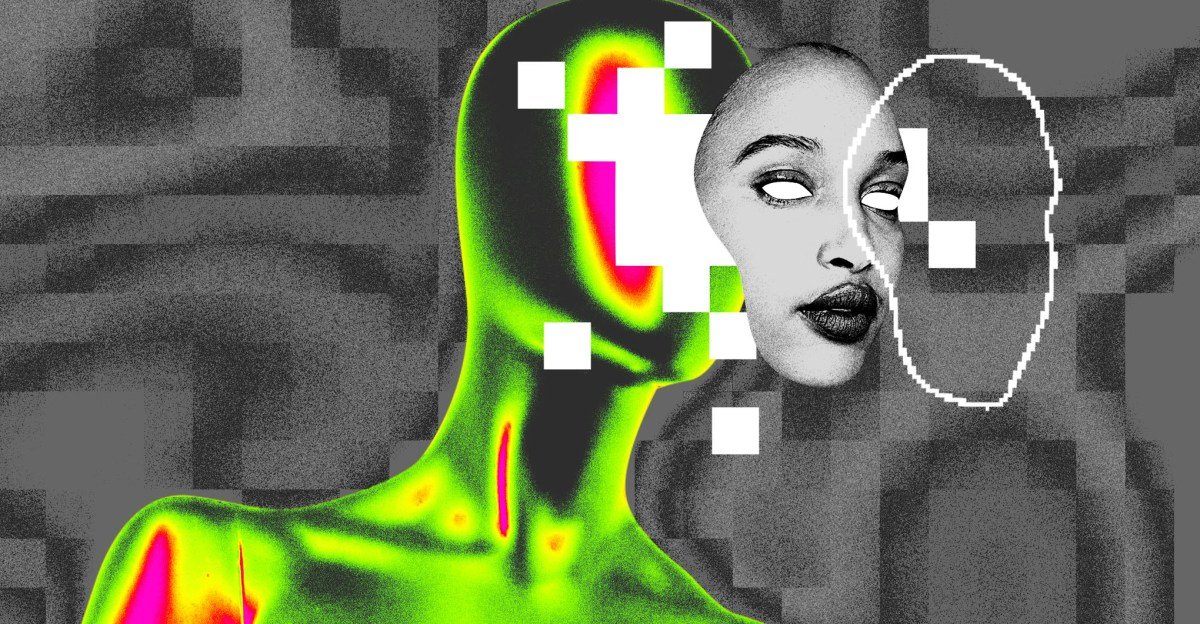
The Evolving Landscape of Reality: Insights from Instagram’s Leadership
In a recent statement, the head of Instagram highlighted a growing concern in our digital age: “You can’t trust your eyes to tell you what’s real anymore.” This profound assertion underscores the complexities and challenges posed by advancements in technology, particularly in the realm of visual media. As we navigate a world increasingly saturated with digital content, the question arises: How do we discern what is genuine and what is merely an illusion?
The Rise of Visual Manipulation
The advent of sophisticated photo-editing software and the proliferation of filters and augmented reality (AR) applications have fundamentally transformed the way we perceive images. What was once a straightforward depiction of reality can now be manipulated and altered with just a few clicks. From influencers presenting perfectly curated lives to deepfake technology that can seamlessly swap faces in videos, the line between reality and fabrication is becoming increasingly blurred.
Instagram, as one of the leading visual platforms, plays a pivotal role in this phenomenon. The app has introduced a plethora of features that encourage users to enhance their images, leading to a culture where authenticity is often compromised in favor of aesthetics. While artistic expression and creativity are undoubtedly important, this trend raises concerns about the impact on mental health, self-esteem, and trust in online content.
The Impact on Society
The implication of the inability to trust what we see is profound. Misinformation can spread rapidly through platforms like Instagram, with users often believing unverified content simply because it appears believable. The stakes are particularly high in politically charged environments, where manipulated visuals can sway public opinion and mislead audiences.
Moreover, the rise of “fake news” is paralleled by an increase in social anxiety and depression. Studies have shown that constantly comparing ourselves to idealized images can lead to feelings of inadequacy and low self-worth. This has prompted a growing movement advocating for digital literacy, urging users to critically evaluate the content they consume and share.
Instagram’s Response
In response to these challenges, Instagram has begun to implement measures aimed at promoting authenticity and transparency. Features designed to encourage users to disclose when a post has been sponsored or altered are steps in the right direction. Additionally, the platform is investing in technologies that identify and mitigate misinformation, empowering users to make more informed decisions about the content they engage with.
The head of Instagram’s call to acknowledge our impaired perception serves as a reminder of the responsibility that both tech companies and users bear. It encourages a shift toward a more mindful approach to content creation and consumption—one that values authenticity over perfection.
Looking Ahead
As technology continues to evolve, so too will our perceptions of reality. The challenge lies not only in the development of sophisticated tools but also in fostering a culture that prioritizes honesty and ethical responsibility. Encouraging users to engage critically with the content they consume and promoting a diverse range of authentic narratives can help counteract the pervasive sense of doubt about what is real.
Ultimately, as we traverse this new digital landscape, it is essential to remember that while technology has the power to enhance our perceptions, it also requires us to remain vigilant consumers of information. By cultivating skepticism and promoting transparency, we can work together to build a more trustworthy digital environment—one where we can begin to trust our eyes again.
In conclusion, Instagram’s head has opened a crucial dialogue about the nature of reality in our visually driven world. By acknowledging the challenges we face, we can take meaningful steps toward a more authentic digital experience, fostering a sense of connection grounded in truth rather than illusion.